Flat roofs get a reputation for being “simple,” mostly because they look simple from the street. In practice, they are layered systems with tight tolerances, and the difference between a repair that holds and a replacement that was truly needed often comes down to one question: can the underlying roof system still perform, or has the problem moved beyond the surface?
When homeowners and commercial property managers call us about a flat roof, the request is usually straightforward: “Can you fix this leak?” The real work starts right after that, with a repairability check that balances what’s visible against what’s likely happening underneath. If you do that step well, you reduce the odds of paying for a repair that only buys a short window of time. If you skip it or rush it, flat roof problems tend to expand, because water keeps finding pathways.
This guide is built around that repairability check. It applies to many flat roof types, including TPO roofing installation, EPDM commercial roofing, modified bitumen roofing, PVC roofing, and commercial metal roofing in low-slope applications. It also overlaps with broader roof inspection thinking: the goal is to decide between roof repair and roof replacement based on the condition and performance of the whole system, not just one wet spot.
What “repairable” really means on a flat roof
On a sloped roof, water shedding is faster and more forgiving. On a flat roof, water drainage depends on design details and maintained surface conditions. That means “repairable” should not mean “we patched the hole.” It should mean the rest of the roof can still do its job after you address the specific failure points.
A repairability check looks at two layers of questions:
First, is the damage isolated, or has the system been compromised more broadly? Second, is the roof still within a range where the cedar shake roof replacement remaining materials can be expected to perform?
A roofing contractor typically handles roof repair, roof replacement, roof inspections, leak repair, and emergency storm-damage work, and major manufacturers advise using a professional contractor to decide whether repair or replacement is best. That isn’t just a business position, it is a reality of how flat systems fail. The leak is often a symptom, not the cause.
The repairability decision starts with roof inspection
A thorough roof inspection is where the repairability check becomes practical. The inspection process should connect these dots: where water entered, how it traveled, what materials were affected, and whether the roof’s condition suggests repeat failures.
Even in cases that began as “emergency roof repair,” the inspection has to be more than a quick patch. Storm damage, hail, wind-driven rain, and other hazards can create hidden issues, including areas where the membrane, flashings, or related components were disturbed. Properly designed, installed, and maintained roofs can reduce damage from hazards like wind, rain, hail, ice, snow, and Commercial Roof Replacement fire, and post-event evaluation helps identify cases where repair is preferable to full replacement. The key point is that the evaluation should be grounded in the roof’s actual behavior and condition after the event, not only the visible impact.
What you should expect the inspection to answer
During a roof inspection, the contractor should be trying to answer questions such as:
- Is the problem confined to one area, or do multiple trouble spots suggest wider system aging or movement? Do signs indicate recurring leaks rather than a one-time event? Are there patterns that suggest structural distortion or other changes that would make repairs unreliable? Are components like flashings in a state that would likely keep failing even if you fix the immediate breach?
This is also where the age and condition of the roof become relevant. A common rule of thumb is that small, isolated problems can often be repaired, while older roofs, widespread damage, recurring leaks, or multiple trouble spots may justify replacement. That guidance maps well to flat roofs because water pathways can turn a localized defect into repeated failures if the surrounding system is also deteriorating.
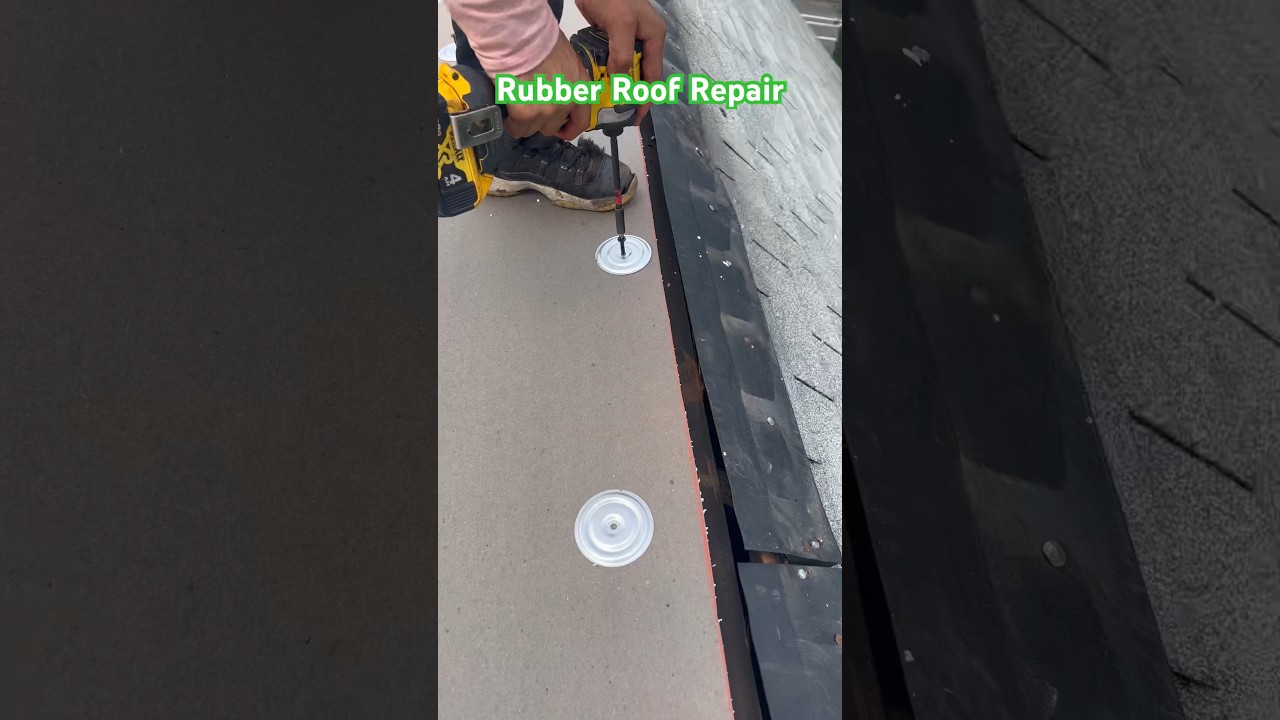
Repairability check: event damage vs. Long-term aging
Flat roof failures fall into two broad categories in practice: event-related damage and degradation over time. They can overlap, but the diagnosis approach changes.
Event-related issues (storm, wind, hail, fire)
After wind or hail, the membrane may be punctured, seams may have shifted, or flashings may have been stressed. Fire damage can also alter materials, and in low-slope systems, the repair feasibility may change when there is fire damage, hail, wind, or structural distortion. That matters because a flat roof is a system, and if the substrate or geometry has changed, patching the membrane at the surface may not restore the correct performance.
This is one reason post-event evaluation is so important. If damage is properly assessed, you can sometimes repair rather than replace. If the damage has changed the roof in more fundamental ways, then repairs can become temporary and cost-inefficient.
Long-term aging and system wear
With aging, you often see a different set of cues. Instead of a clear “this spot got hit,” the roof presents multiple compromised areas, brittle or deteriorated surfaces, seam failures, or repeated leak patterns.
Owens Corning notes that a roof repair decision is often about whether problems are isolated, versus older roofs or widespread damage that justifies replacement. On the residential side, asphalt shingles typically last about 20 to 30 years, which gives a useful reference point for how long roof materials can go before failure rates climb. While that specific longevity number refers to asphalt shingles, the underlying logic translates: the older the roof system and the more widespread the wear, the less reliable patchwork becomes.
Flat roof systems can age too, and the repairability check must respect what that aging does to the whole assembly, not just the membrane surface.
The most common repair candidates, and why they’re not always the answer
When people ask about roof repair, they usually have one visible failure in mind. In flat roofing, that could be a seam, a flashing connection, a penetration, or a damaged membrane area.
These are often repairable when the surrounding area is still performing and the damage is truly localized. For example, a roof leak repair at a penetration might involve re-sealing and restoring the flashing interface, then verifying that the repair is compatible with the existing system.
But the repairability check always asks: why did it fail, and will it fail again?
Here are a few practical scenarios where a repair may look straightforward but repairability is limited:
- A leak that keeps returning in different rain events, suggesting more than one failure path. Visible damage that hints at related issues nearby, like nearby seams, edges, or transitions that were also stressed. Flashings that are compromised beyond a spot repair, especially where water can sit or travel laterally. A roof that is already experiencing multiple trouble spots, aligning with the rule of thumb that widespread issues often justify replacement.
That judgment is where experience matters. Two contractors can look at the same ponding stains and membrane wear and come to different conclusions if one is assessing the visible breach only, and the other is assessing the system condition.
Flashings and penetrations: where repairs succeed or fail
On flat roofs, penetrations and flashings are common failure points. That includes vents, pipes, roof drains, curbs, and any transition where materials meet.
A repairability check should treat flashings and transitions as system elements. If the membrane around them has aged or moved, the repair may not hold even when the leak is temporarily addressed.
This is also where roof inspection and careful documentation help. If you can identify exactly what component failed and verify that the surrounding membrane remains sound, repair can make sense. If the flashing interface and nearby membrane are both deteriorated, a localized repair can expand into a larger project quickly, which starts to look like a roof replacement after leak even if the original plan was “just a patch.”
Understanding roof replacement scope without turning it into guesswork
Sometimes the right answer is roof replacement. A typical roof replacement includes removing old roofing materials, installing new underlayment and roofing materials, replacing flashings and ridge caps, and cleaning up the site. Even though that breakdown mentions ridge caps, the overall approach of system removal and component replacement is consistent with how contractors plan replacement: you remove what can no longer be relied on and rebuild the assembly to perform as a system.
On flat roofs, replacement scope may emphasize underlayment, membrane installation, flashings, edge conditions, and drainage details. The principle is the same: when the roof is too aged, too damaged across multiple areas, or shows recurring leaks, replacement is less likely to turn into a cycle.
Also, while roof replacement cost varies widely, it helps to have realistic anchors. For asphalt shingle roofs, GAF reported an average 2023 roof replacement cost of $14,959, though actual cost varies by roof size, materials, and project complexity. Flat roof systems can differ significantly in pricing structure from asphalt shingle roofs, but that example is still useful as a reminder that replacement pricing depends on scope and conditions, not just “materials cost.”
When “roof replacement after leak” becomes the turning point
Many repair projects start with a leak repair request. Then, during inspection, you find more damage than expected: additional affected seams, compromised flashing, or signs the roof has been underperforming for longer than the homeowner or manager realized.
At that point, roof replacement after leak is often less about admitting defeat and more about correcting an incomplete diagnosis. Repairing one visible breach may not restore the entire waterproofing boundary, especially if the roof’s condition has already slipped.
A common rule of thumb supports this shift: small isolated problems can often be repaired, but older roofs, widespread damage, recurring leaks, or multiple trouble spots may justify replacement. That guidance is the backbone of the repairability decision because it explains why some “easy” repairs end up being repeated.
Low-slope and flat system types: repair decisions look different by material
Flat roofs can be built from several common materials, and repairability can vary because each material behaves differently under aging, heat, ponding, and movement.
TPO roofing installation and TPO repairability
TPO is often selected for commercial low-slope systems because it is a membrane that can be installed as part of a complete assembly. In repair scenarios, the critical issue is compatibility: the repair has to integrate with the existing membrane and flashings so the boundary performs. If multiple areas show deterioration, the repairability check may point toward replacement.
EPDM commercial roofing and rubber roofing EPDM
EPDM is a rubber membrane system. Repairs can be effective when the issue is localized and the surrounding membrane is still intact. But rubber roofing EPDM also reveals aging patterns, and when those patterns show up across multiple zones, it can be a sign that replacement will restore performance more reliably than repeated patchwork.
Modified bitumen roofing
Modified bitumen roofing can be repaired when the damage is isolated and the surrounding surfaces are still suitable for a compatible repair. When there is widespread surface breakdown, repeated seam issues, or multiple trouble spots, replacement becomes more rational.
PVC roofing
PVC roofing is another membrane option. Repairability depends heavily on how the membrane and edges have aged, and whether the failure is confined or part of broader deterioration.
Commercial metal roofing on low-slope sections
Commercial metal roofing can appear on low-slope buildings in certain configurations. Repairability depends on how penetrations, seams, and transitions are performing, and whether any structural distortion or related changes have occurred.
The common thread across these options is not the material label, it is the system condition. A professional contractor looks for whether repairs can restore performance without relying on the roof’s remaining life under stress.
A quick reality check on residential flat roof and other roof types
Even though this blog topic focuses on flat roof installation and repair, it’s worth acknowledging that many homeowners and managers compare decisions across roof types. Asphalt shingle roofing is common in residential roofing, and architectural shingles typically cost more than basic asphalt shingles due to their laminated premium construction style. But longevity and performance decisions are still based on condition and failure patterns.
If you manage a property that also has adjacent roof areas, you might be tempted to use the life of an asphalt shingle roof as a proxy for a flat section. That can mislead. A flat roof with recurring issues may need attention earlier than an adjacent sloped roof, because the flat section relies on drainage and system integrity that can fail in localized ways and spread through the membrane boundary.
Similarly, if you’re comparing against slate roof installation and repair, tile roof installation and repair, wood shake roofing, cedar shake roofing, or cedar shake roof replacement, those systems have their own failure mechanisms. For example, slate and tile failures can be mechanical or flashing-driven. Wood shake roofing can fail from exposure and wear patterns. The repairability check still follows the same logic: isolated problems can often be repaired, widespread damage or recurring issues can justify replacement.
Fire damage: repairability depends on what the event actually changed
Fire damage is a special case because it can alter materials and system integrity in ways that are not obvious from the surface. Low-slope roof guidance emphasizes that fire, hail, wind, and structural distortion can change whether repair is feasible.
In repairability terms, the question becomes: can you confidently restore the roof boundary and substrate performance to a level that will hold again under normal weather stress? If the damage affected only a small localized area and the rest of the system is still sound, repair may be possible. If the fire changed broader materials or caused distortion, roof replacement may be the safer route.
Roof installation and roof repair: the role of quality in repair outcomes
People often assume repair quality is separate from installation quality. In reality, the ability to repair a flat roof well depends on how it was installed in the first place, especially around edges, drains, penetrations, and seams.
When a flat roof was installed with attention to details and later maintained, it is more likely to have a defined failure point you can address. When installation details were rushed or maintenance has been inconsistent, the repair boundary can overlap with the next weak link.
That’s also why “properly designed, installed, and maintained roofs” are emphasized in hazard reduction guidance. A repairability check is partly a technical assessment and partly an assessment of the roof’s history of performance.
A practical repairability workflow you can discuss with your contractor
You do not need to be a roofer to run a good decision conversation. You do need the right questions so your contractor can explain what they found and why they recommend repair or roof replacement.
Here is a short set of discussion points that usually drives clarity without turning into a back-and-forth argument:
Where exactly is the water entering, and what evidence shows the likely pathway? Is the damage isolated or are there multiple trouble spots? Does the roof show signs of recurring leaks after similar weather events? Are flashings and penetrations in good shape around the problem area? Given the roof’s overall condition, would patchwork keep failing or would replacement address the system-level cause?A professional contractor should be able to walk you through those points in plain language, and they should connect their recommendation to the condition and performance of the system, not only the visible leak.
Roof replacement vs roof repair: trade-offs that matter on flat systems
Even when repair is technically possible, there are trade-offs.
Repairs can be quicker and less disruptive, which is valuable when you’re dealing with emergency roof repair after a storm. But if the roof is older or has widespread damage, roof repair can become a series of repeat interventions. Replacement can be a more reliable reset, especially when the leak is part of a larger pattern.
From a budget perspective, roof replacement cost will usually be higher up front, but it can prevent the cumulative cost of multiple roof leak repair events, temporary fixes, and the operational downtime that sometimes comes with emergency work.
From a risk perspective, the safest path is often the one that restores the system boundary and drainage performance, not the one that treats the symptom.
The repairability check is where you decide which trade-off fits your situation. If the roof is newer and the issue is isolated, repair likely wins. If the roof is older with multiple trouble spots, widespread damage, and recurring leaks, replacement often becomes the more defensible choice.
How to handle emergency roof repair without losing the bigger picture
Emergency roof repair is real. Water intrusion can damage interiors quickly, and you cannot wait weeks for a perfect evaluation when the weather is still threatening.
But emergency response should not eliminate the repairability check. The emergency work should stabilize the situation, then the contractor should follow up with a more complete evaluation. This is where post-event evaluation matters: it can identify cases where repair is preferable to full replacement and where it is not.
If you only approve an emergency patch without understanding the condition of adjacent areas, you can end up paying twice. That does not mean every emergency patch is wrong. It means the decision needs to include a plan for evaluation and, when necessary, transition to roof replacement.
When to plan for aging roof replacement
Some owners delay because the roof is not actively leaking every day. On flat roofs, “quiet” periods can mask ongoing problems. Water can sit, migrate under membranes, or repeatedly attack the same boundary detail until the damage finally shows itself as a new leak.
That is why the repairability check should not be purely reactive. If inspection reveals that the roof system has multiple compromised areas, recurring leak patterns, or widespread damage, it may point toward aging roof replacement before you reach the point of structural or interior damage.
This is especially relevant in commercial contexts where roof performance affects tenant operations. A roof replacement schedule also has practical impacts, so an honest repairability assessment helps you plan rather than scramble.
The decision is ultimately about performance, not paperwork
Roof repair and roof replacement both involve labor, materials, and risk. The reason manufacturers and contractors recommend professional evaluation is that the repairability decision requires more than a visual scan. It requires understanding how flat systems are built and how they fail.
Major manufacturer guidance emphasizes using a professional contractor to decide whether repair or replacement is best. Rule-of-thumb guidance suggests isolated problems often repair, while older roofs, widespread damage, recurring leaks, or multiple trouble spots may justify replacement. And hazard guidance emphasizes that post-event evaluation identifies whether repair is preferable to full replacement.
Those points may sound general, but they are exactly what a repairability check should translate into a practical recommendation for your building.
What “good” documentation looks like for a repairability check
When the contractor is doing the job right, they should be able to explain:
- What they observed during roof inspection What they concluded about the likely failure pathway Whether the issue looks isolated or systemic Why roof repair is expected to restore performance, or why roof replacement is the more reliable choice
You should be able to ask follow-up questions and get answers that reference the condition of membranes, flashings, and the roof assembly as a whole, not only a quick claim that “we sealed it.”
If the discussion stays at the level of materials names, without connecting to condition and performance, ask for clarification. Flat roofs punish vague decision-making.
Final thought for property owners and managers
A flat roof installation and repair decision is never just about stopping the next drip. It is about restoring a waterproofing system that has to tolerate drainage realities, temperature cycling, and the specific vulnerabilities of seams, flashings, and penetrations.
When you treat repairability as a real evaluation, you usually end up with a cleaner answer. Repair makes sense when the problem is isolated and the surrounding roof can still perform. Replacement becomes the better move when the roof is older, the damage is widespread, leaks are recurring, or there are multiple trouble spots. That is the real distinction, and it is why a good roof inspection and leak repair conversation should focus on system condition from the start.
If you’re dealing with a current roof leak repair or planning commercial roof repair or commercial roof replacement, ask for a repairability check tied to what the contractor actually observed. You will save money, reduce repeat disruptions, and avoid the uncomfortable moment when a repaired roof stops being “fixed” and starts being “patched.”